
How does a CNC bending machine perform compared to a hydraulic press brake when processing thick metal sheets?
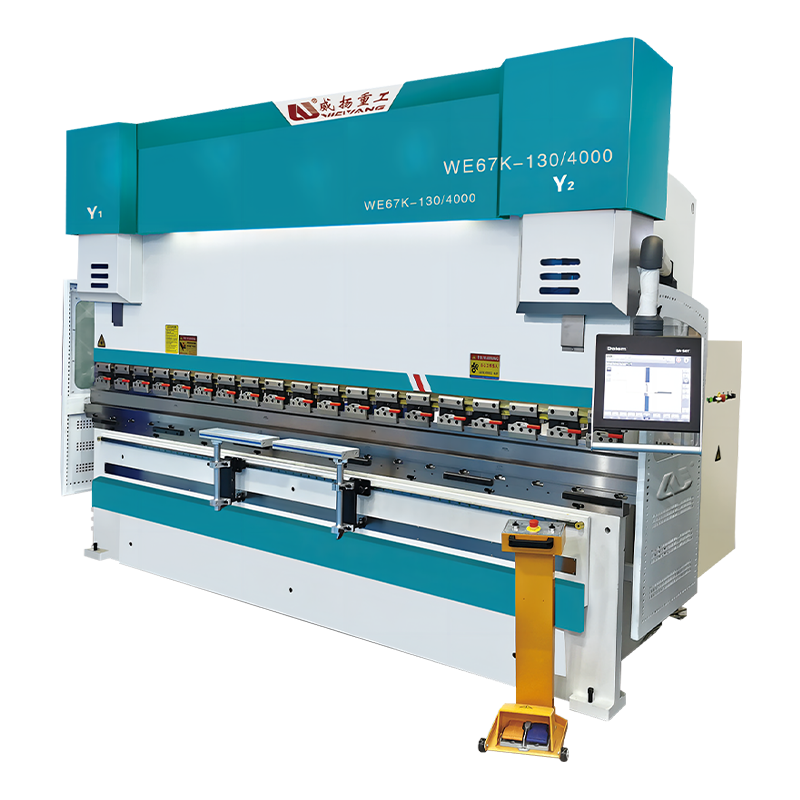
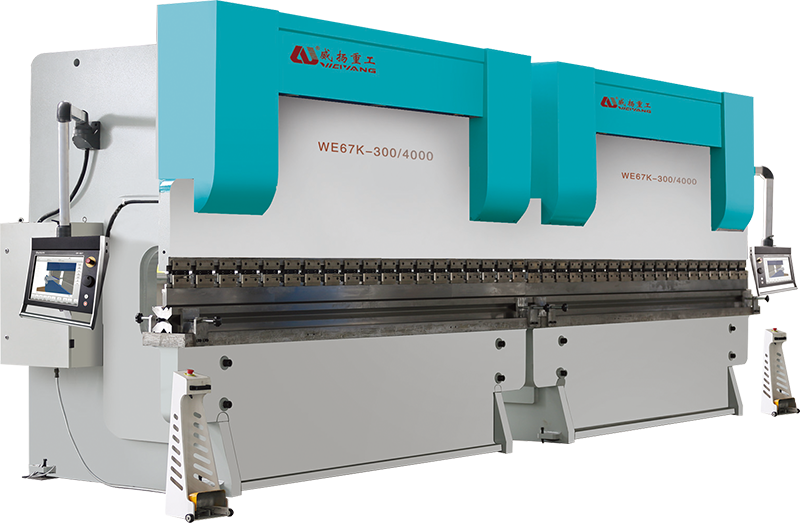
When processing thick metal sheets, a CNC press brake bending machine generally outperforms a hydraulic press brake in terms of precision, repeatability, and overall efficiency. While hydraulic press brakes are capable of handling heavy-duty materials, they often require more manual adjustments and skilled operators. In contrast, a CNC bending machine delivers consistent bending angles, faster cycle times, and reduced material waste, making it more suitable for high-volume or complex operations.
Precision and Accuracy
A CNC press brake bending machine uses computer-controlled axes to precisely control bending depth and angle, ensuring that each part meets exact specifications. Hydraulic press brakes rely heavily on the operator’s skill to achieve similar results. For thick metal sheets above 12mm, CNC machines can maintain an angular tolerance of ±0.1°, whereas hydraulic machines may vary up to ±0.5°, especially during prolonged production runs.
Speed and Productivity
Productivity is another area where CNC bending machines excel. The automated controls and programmable backgauge systems allow rapid positioning, reducing cycle time significantly. For example, a CNC bending machine can process up to 300 parts per shift when bending 10mm steel sheets, while a hydraulic press brake under similar conditions typically produces around 180 parts due to manual repositioning and slower ram movement.
Material Handling and Flexibility
CNC bending machines offer better flexibility for handling various metal thicknesses and materials. They can easily switch between mild steel, stainless steel, and aluminum with minimal setup. Hydraulic press brakes, while capable of similar material ranges, often require more frequent tooling changes and manual adjustments. This makes CNC machines ideal for operations where multiple sheet thicknesses are processed in one production run.
Operator Skill Requirements
Hydraulic press brakes demand highly skilled operators to consistently produce accurate bends, especially with thick sheets. CNC bending machines reduce dependence on operator skill due to programmable parameters and automated controls. This not only lowers the learning curve but also minimizes human error, which is critical when working with high-strength or thick metal sheets.
Energy Efficiency and Cost Considerations
While hydraulic press brakes are traditionally more energy-intensive due to continuous pump operation, CNC bending machines, particularly those with servo-electric drives, consume significantly less energy. Over a year of high-volume production, energy savings can reach 20-30%. Although CNC machines have a higher upfront cost, the reduced labor, faster production, and lower waste contribute to a shorter payback period.
Maintenance and Longevity
CNC bending machines often require less frequent maintenance because they avoid the high-pressure hydraulic systems prone to leaks and wear. Hydraulic press brakes need regular oil changes, seal replacements, and inspections to maintain performance. Properly maintained CNC machines can maintain consistent bending quality for longer periods, reducing downtime and increasing overall production efficiency.
Bending Capacity and Maximum Thickness
Both CNC bending machines and hydraulic press brakes can handle thick sheets, but the CNC press brake provides more consistent force distribution across the entire bending length. For instance, a CNC bending machine can accurately bend 20mm mild steel over a 3-meter length without significant springback, whereas hydraulic machines may require multiple passes and manual adjustments to achieve the same result.
Comparison Table: CNC vs Hydraulic Press Brake for Thick Metal Sheets
| Feature | CNC Bending Machine | Hydraulic Press Brake |
|---|---|---|
| Precision | ±0.1° | ±0.5° |
| Cycle Time | Faster by 50% | Slower due to manual adjustments |
| Operator Skill | Moderate, CNC-controlled | High, manual expertise required |
| Energy Consumption | 20-30% lower | Higher, continuous pump operation |
| Maintenance | Lower, fewer moving parts | Higher, frequent oil and seal replacement |
The CNC press brake bending machine is generally the superior choice when processing thick metal sheets due to its higher precision, faster cycle times, lower energy consumption, and reduced reliance on operator skill. Hydraulic press brakes remain a viable option for heavy-duty, less complex operations, but for modern manufacturing environments demanding consistency, efficiency, and reduced waste, CNC machines offer clear advantages.
Relaterad produkt
-
 +86-13813747229
-
 [email protected]
-
 No. 22 Haifang Avenue, Chengdong Town, Hai'an City, Jiangsu Province, Kina.
Copyright © 2024Jiangsu Weiyang Heavy Industry Technology Co., Ltd. Alla rättigheter reserverade.
